
"Citric acid"
800 article(s) found
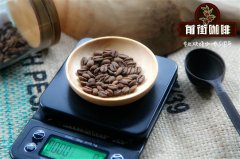
What is good coffee? what kind of high-quality coffee do you have in Mexico? is there any organic coffee?
Professional coffee knowledge exchange more coffee bean information please follow Coffee Workshop (Wechat official account cafe_style) 2018 Mexico MWP Chiapas Fairtrade low caffeine Coffee 2018 Mexico MWP Chiapas GRAPOS FTO Decaffeinated Coffee Mexican Coffee Flavor description: mild citric acid, lemon, sweet and nutty finish. Taste Not
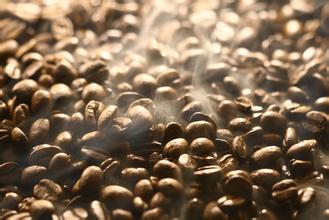
Coffee bean red wine processing process-bean Kaddura iron pickup
Coffee bean red wine processing process-bean Kaddura iron pickup acetic acid fermentation aerobic fermentation lactic acid fermentation anaerobic fermentation for taste: acetic acid fermentation: cleaner, active acid, brighter acid quality, citric acid lactic acid fermentation: taste more round, less cleanliness than acetic acid fermentation, higher alcohol thickness, malic acid / tartaric acid before treatment
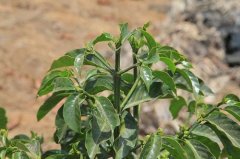
Fascinating description of multi-layer fruit acid flavor of G _ 1 water washing treatment in Yejia Feikonga Cooperative
YCFCU Yirgacheffe G1 washing hole plus G1 Washed Konga country: Ethiopia: Yegashev Gadeo Zone altitude: 1750m-2300m treatment: washing grade: G1 varieties: local native species flavor description: citrus, apricot, juice, citric acid, balanced acidity: fruit acid, gradual acid like Yega Sheffield style

Why does African Coffee bring High acidity Coffee Bean varieties Kenyan Coffee berry Flavor Source
More information on coffee beans Please follow the coffee workshop (official Wechat account cafe_style) Coffee from Kenya tends to contain more phosphate, an inorganic compound, some of which are directly related to minerals in the volcanic soil. Phosphoric acid is not as tasty as citric acid or acetic acid. It is used as a flavor enhancer in soda. Kenyan coffee is usually caused by it.

Flavor description of Colombian Red Wine treated Coffee beans A brief introduction to the production area of Grinding scale varieties
Colombian red wine treatment method Coffee bean flavor description grinding scale variety brief introduction acetic acid fermentation: cleaner, lively acid, brighter acid quality, citric acid lactic acid fermentation: taste more round, less clean than acetic acid fermentation, alcohol thickness is higher, malic acid / tartaric acid before this, the treatment plant is passed down from generation to generation manual operation, such as bite

Coffee and Red Wine treatment Arabica Coffee Bean producing area and Price
Coffee red wine treatment Arabica coffee bean producing area and price acetic acid fermentation method: cleaner, more active acid, brighter acid quality, citric acid lactic acid fermentation method: taste more round, less cleanliness than acetic acid fermentation method, higher alcohol thickness, malic acid / tartaric acid before this, the processing plant uses manual operation handed down from generation to generation, for example, bite and feel the coffee

Coffee knowledge Fine coffee beans roasting processing
Roasted coffee beans peeled: the use of mechanical methods to remove the peel and most of the pulp fermentation drying Roasting: coffee beans through roasting, can release the special aroma of coffee, each coffee bean contains its aroma, sour, sweet, bitter, how to fully release depends on its roasting temperature, from the tasteless raw beans, to the cup of endless flavor

Coffee beans Red wine processing Flavor description Processing characteristics Origin introduction
Coffee beans red wine processing method flavor description processing characteristics origin introduction selected coffee cherries are placed by farmers uncle in a specific container, this container should be similar to red wine fermentation plug, or a single vent valve device. In this way, carbon dioxide can escape through the device to control the concentration of air in the container. At this time, the coffee cherries in the container entered

Introduction of Colombian coffee beans with strong dry aroma, medium mellow and acidity
The six most famous certified coffee regions of high quality origin in Colombia are Santander and SierraNevada in the north, Paisajeculturalcafetero in the middle, and Cauca,Huila and Nario in the south. Now let's briefly introduce their general characteristics and flavor. Santander: with medium to high alcohol and medium acidity, rich
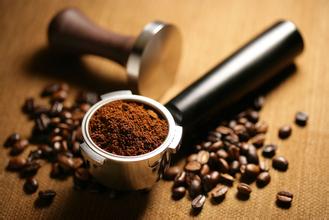
Which estates use red wine to treat coffee beans?-what is the flavor and taste
Which estates use red wine to treat coffee beans-how does it taste? according to Sasa's description in the competition, the handlers inject carbon dioxide into the container to prevent oxidation from producing volatile acid, a process known as lactic acid fermentation, which produces malic acid and lithic acid, which is relatively stable, so the beans fermented by lactic acid have a more mellow acidity.
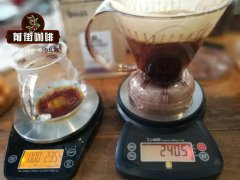
SOE_ how long does it take to soak the kettle? recommended by Yega Xuefei
Professional coffee knowledge exchange more coffee bean information please follow the coffee workshop (Wechat official account cafe_style) today to introduce a kind of coffee called Yirgacheffe. It is a famous coffee town in Ethiopia, located northwest of Sidamo, with mountains and lakes. It is one of the highest coffee producing areas in Ethiopia.

Yea, yea, ye
Professional coffee knowledge exchange More coffee bean information Please pay attention to coffee workshop (Weixin Official Accounts cafe_style) Ethiopia Yirgacheffe Chelelektu is a fully washed coffee, medium body, medium acidity. Aromas of jasmine and lavender, sweet citric acid and bergamot spice. Once the coffee cools, the lemon flavor becomes very pronounced.

Introduction of Ghimbi in Kinbi producing area of Ethiopia | what are the characteristics of Jinbi coffee?
Ethiopian Ghimbi coffee is a wet-processed (washed) coffee variety grown in western Ethiopia. It is reported that Kim coffee is thicker than Ethiopian Hara coffee. Gibby is famous for its complex flavor and rich, sharp acidity. Altitude: 1500-2100m harvest time: February-April varieties: original varieties flavor: bright citric acid, complex and abundant

Red Wine treatment of Raw Coffee beans-Honey treated Coffee beans
Red wine treatment of raw coffee beans-honey treatment of coffee beans acetic acid fermentation: cleaner, lively acid, brighter acid, citric acid lactic acid fermentation: taste more round, less cleanliness than acetic acid fermentation, higher alcohol thickness. Before malic acid / tartaric acid, the processing plant used manual operation handed down from generation to generation, such as biting to feel the fermentation of coffee beans.
Boutique coffee roasting knowledge of acid in roasted coffee
Formic acid is the most in shallow baking, and acetic acid is the most in shallow baking with the deepening of deep baking. with the deepening of deep baking, pyruvate and baking degree-independent lactic acid and baking degree-independent malic acid are the most in shallow baking, and citric acid is the most in shallow baking with the deepening of deep baking.

Basic knowledge of sour coffee in roasted coffee
There are mainly the following kinds of acids in roasted coffee: formic acid is the most in shallow roasting, and acetic acid decreases gradually with the deepening of deep roasting. With the deepening of deep baking, pyruvate and baking degree independent lactic acid and baking degree independent malic acid are the most, while citric acid decreases with the deepening of deep roasting.
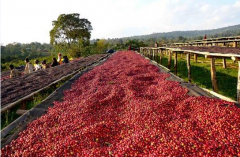
Yega Shirley Fischer | Coffee workshop study room
ETHIOPIA,YIRGACHEFFE,KOCHERE in 1995, Ethiopia redivided the region, and the Yirgacheffe we are familiar with is planned in the Gedeo area in the new SNNPR. Currently located in the middle of Gedeo, the famous town of Yegashefi is 25 miles north of Kochere. The production model is based on local small farmers to produce batches.
General knowledge of Fine Coffee Acid in roasted coffee
There are mainly the following kinds of acids in roasted coffee: formic acid is the most in shallow roasting, and acetic acid decreases gradually with the deepening of deep roasting. With the deepening of deep baking, pyruvate and baking degree independent lactic acid and baking degree independent malic acid are the most, while citric acid decreases with the deepening of deep roasting.

There are mainly several kinds of acids in roasted coffee.
Formic acid is the most in shallow baking, and acetic acid is the most in shallow baking with the deepening of deep baking. with the deepening of deep baking, pyruvate and baking degree-independent lactic acid and baking degree-independent malic acid are the most in shallow baking, and citric acid is the most in shallow baking with the deepening of deep baking.

Coffee beans roasting common sense acid in roasted coffee
Formic acid is the most abundant in light roast coffee, decreasing gradually with the depth of roast. Acetic acid is the most abundant in light roast coffee, decreasing gradually with the depth of roast. Pyruvic acid is independent of roast degree. Lactic acid and malic acid are independent of roast degree. Citric acid is the most abundant in light roast coffee, decreasing gradually with the depth of roast coffee